
Quick Answer
TPU spiral cable packaging should protect the finished coil without holding it in an unnecessarily stretched, sharply bent or connector-loaded condition. Buyers and suppliers should agree on the packed cable state, permitted restraints, connector protection, unit quantity, label fields, carton arrangement and receiving inspection. The packaging trial should use a production-representative sample and include an unpacking check for relaxed length, coil shape, straight tails, connector surfaces, labels and batch identity. Packaging cannot correct an unstable cable design, but it can prevent avoidable deformation, tangling and mixed-part errors during storage and shipment.
Scope of this guide: this article covers shipment and receiving controls. Use the TPU coiled cable and TPU spiral cable product hub for product types, applications and quotation parameters.
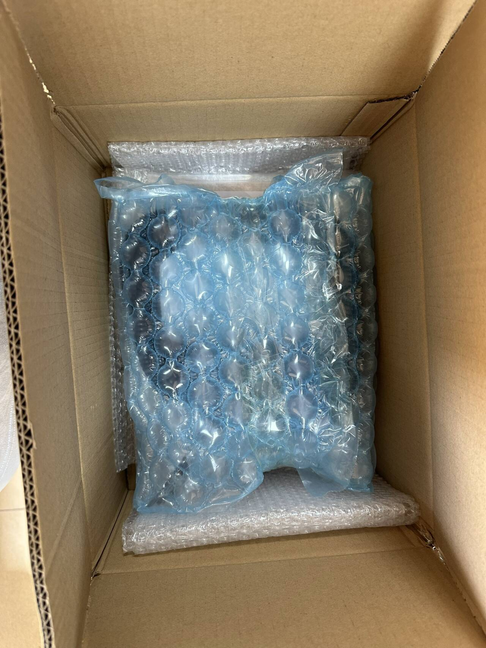
Why Can Packaging Change the Condition of a Coiled Cable?
A coiled cable is a three-dimensional component, not a straight lead that can be folded without considering its shape. Restraints, tight bagging, connector weight and carton pressure can influence how the product looks and handles after unpacking. Long storage periods or an unsuitable packed orientation can also make receiving measurements less consistent.
The packaging specification should therefore connect with the drawing and sample-approval method. The buyer should not approve only the unpacked sample and leave the shipment configuration undefined.
What Should a TPU Spiral Cable Packaging Specification Include?
| Packaging item | What to confirm | Buyer risk addressed |
|---|---|---|
| Packed cable state | Relaxed, lightly restrained or another agreed condition. | Reduces uncontrolled deformation during storage. |
| Restraint method | Location, material and tightness of ties or bands. | Avoids sharp pressure points and unwanted extension. |
| Connector protection | Caps, sleeves, separation or cushioning as required. | Protects pins, shells, latches and finished surfaces. |
| Unit packaging | Single unit, grouped quantity or kit arrangement. | Controls tangling and supports receiving counts. |
| Label content | Part number, revision, quantity, batch and barcode fields. | Reduces mixed-SKU and revision errors. |
| Inner carton layout | Orientation, separators and movement allowance. | Protects coil and connectors from concentrated loads. |
| Outer carton | Quantity, gross weight limits and handling marks. | Supports export handling and warehouse receiving. |
| Receiving check | Unpacking condition, dimensions, labels and damage criteria. | Creates a shared acceptance method. |
How Should the Coil Be Restrained?
Short answer: use the least restraint needed to keep the unit organized while avoiding sharp bends, local compression and unnecessary extension. The correct method depends on coil diameter, cable stiffness, straight tails, connectors and unit packaging.
A tie placed at the wrong point can load a straight tail or press against the first turn of the coil. Multiple heavy connectors may need separation so they do not strike each other during transport. The supplier should present a packed sample before mass production when appearance or receiving condition is important.
Connector Protection Must Match the Termination
Open wire ends, plastic connectors, metal shells and overmolded assemblies need different handling. Exposed contacts may require a cap or sleeve. Locking features and latches should not carry carton pressure. When two connectors can contact each other, use separation or cushioning appropriate to the finish and shipping route.
Packaging claims should remain specific. A bag or cap can protect a surface, but it does not prove moisture sealing, ESD control or an ingress rating unless the complete method and requirement are defined.
How Do Labels Prevent Mixed Parts?
The label should identify the product at the same level used by purchasing and receiving. Useful fields may include the buyer part number, supplier part number, drawing revision, quantity, production batch and barcode data. When similar cables differ only by pinout, tail length or connector orientation, the label and packing separation become part of error prevention.
Private-label and distributor programs may also need sales-channel labels or carton marks. Provide approved artwork and barcode rules before production instead of treating labeling as a final shipping task.
Receiving Inspection After Unpacking
Receiving teams should know whether the cable needs a short resting period before relaxed dimensions are checked. Record the expected unpacked appearance, label match, connector condition and any dimensional sample plan. If the buyer measures immediately while the product is still constrained, the result may not match the agreed drawing method.
The photographed coiled cable length inspection and packaging case shows how conductor detail, relaxed-length checks and protective carton preparation can be documented without inventing performance claims.
Packaging Trial Before Production
- Pack a production-representative sample using the proposed materials.
- Photograph the unit, inner carton and label placement.
- Confirm that restraints do not sharply bend straight tails or load connectors.
- Unpack the sample using the buyer’s expected receiving process.
- Check coil shape, relaxed length, straight tails and connector surfaces.
- Verify part number, revision, batch and quantity information.
- Record any required resting condition before dimensional inspection.
Common Packaging Mistakes
- Stretching the coil to make it fit a narrow bag or carton.
- Placing a tight restraint against the first coil turn or connector entry.
- Allowing metal connectors to strike each other during transport.
- Mixing similar pinouts or revisions under a generic product label.
- Approving the cable sample without approving the packed sample.
- Measuring relaxed length immediately after unpacking without an agreed method.
- Using packaging terms such as waterproof or ESD-safe without a defined requirement.
Buyer Checklist
- Product part number and drawing revision.
- Coil OD, relaxed length, straight tails and connector dimensions.
- Permitted packed state and restraint locations.
- Connector, contact and surface protection requirements.
- Unit quantity, bag or tray arrangement and inner-carton layout.
- Label fields, barcode format and private-label artwork.
- Outer-carton quantity and handling requirements.
- Receiving inspection and unpacking method.
- Destination market, annual demand and shipment pattern.
What to Send in the RFQ
Send the cable drawing, connector photos, coil dimensions, unit quantity, destination, label requirements, barcode rules and any receiving problem from the current supply. If packaging is not finalized, send a photo of the current packed unit and explain whether the main concern is deformation, damage, tangling, mixed labels or warehouse handling.
Related Products and Resources
Review the TPU coiled cable drawing and dimensions checklist, download the TPU RFQ and sample worksheets, or compare application-specific options in the TPU coiled cable applications guide.
Upload RFQ
Upload your drawing, sample photo, packaging image and label requirements. Nexharn can review the cable and shipment information together before sampling.
FAQ
Should TPU spiral cables be shipped fully relaxed?
The packed state should be chosen for the actual coil, connectors and carton. Avoid unnecessary extension or sharp restraint and approve a packed sample when receiving condition matters.
Can several coiled cables be packed in one bag?
That depends on size, connectors, tangling risk and receiving workflow. Define the unit quantity and inspect a representative packed sample.
When should relaxed length be checked after unpacking?
Use the conditioning and measurement method agreed on the drawing or inspection plan. The same method should be used by the supplier and buyer.