

TPU coiled cable manufacturer | Compare TPU coiled cable applications
Quick Answer: Custom shielded TPU coiled cable for robot end-effectors, sensors, grippers and movable automation peripherals. Nexharn reviews electrical function, coil geometry, connector, environment, testing and packaging before sampling.
Send a drawing, sample photo or basic requirements for review.
Application Problems Buyers Should Review
Robot peripheral cables must balance movement, signal stability, coil recovery and connector retention. Shielding selected without a grounding plan may not solve interference at the equipment level.
Typical Applications
- Robot grippers and end-effectors
- Sensors and encoders
- Machine-vision peripherals
- Teach and control accessories
- Movable automation stations
Recommended Cable Construction
The assembly can combine power conductors, twisted signal pairs, foil or braid shielding, drain wire, TPU jacket and industrial connectors based on the robot motion and circuit functions.
Customization Options
- Conductor count, wire gauge and circuit assignment for power, sensor or data signals
- Relaxed length, working reach, coil diameter and tail geometry for the motion envelope
- Twisted pairs, shield and drain-wire termination defined by the circuit and grounding plan
- Robot-side connector, orientation, retention and strain-relief geometry
- TPU grade, color, identification, sample checks and packaging specified by RFQ
- Sample revision marking, cable identification and shipment packaging by RFQ
Specifications to Confirm
| Electrical function | Power, signal, data or a defined combination |
|---|---|
| Coil geometry | Relaxed length, working extension, coil OD, pitch and straight tails |
| Connector | Model, pinout, orientation, locking and mating interface |
| Environment | Describe the robot motion envelope, routing clearance, abrasion/contact points, contaminants and temperature conditions relevant to the installation. |
| Testing | Dimensions/reach, connector retention, continuity/pinout, shield termination and buyer-defined checks on the representative motion path |
| Commercial details | Sample quantity, annual demand, labeling and packaging |
Connector and Strain Relief
Review connector retention, exit direction and strain relief against the moving interface and cable routing. Confirm the shield and drain-wire termination from the circuit drawing; shielding by itself does not define system-level EMC performance.
Testing and Sample Approval
Agree checks for dimensions, working reach, connector retention, continuity, pinout and shield termination. Where movement matters, define the representative robot path and buyer acceptance method before sample approval.
Buyer Checklist
- Robot motion and routing envelope
- Power and signal circuit definition
- Twisted pairs, shielding and grounding
- Connector shell and retention
- Cycle test and EMC acceptance criteria
Common RFQ Mistakes
- Sizing the coil from straight-line reach without checking robot routing clearance
- Requesting shielding without specifying drain-wire termination or grounding
- Omitting connector retention, orientation or moving-end strain relief
- Approving a static sample without defining the intended motion path
- Using a generic cycle-life target without an agreed fixture and acceptance method
Related Products
Testing and Custom-Option Resources
For project-specific test methods, equipment and acceptance records, review TPU cable testing and quality equipment. Use the RFQ, sample approval and packaging worksheets to describe custom conductor, connector, coil geometry, shielding, labels and pack options before quotation.
Read a related specification-review scenario. This is an illustrative buyer workflow, not a claimed customer delivery.
Compare TPU coiled cable types.
Evidence to Review on the Physical Sample
Review the relaxed coil and working extension in the robot routing envelope, connector orientation, grounding termination, shield continuity and strain-relief transition. Validate movement and electrical behavior in the buyer’s representative fixture; a generic cycle claim should not replace the agreed application test.
Related TPU Coiled Cable Applications
Compare Industrial Control Pendant Coiled Cable, Emergency Stop and Safety Tether Coiled Cable, Multi-Core Shielded Coiled Cable for nearby equipment and circuit requirements. Use the TPU coiled cable application guide to browse the complete application range.
View all custom TPU coiled cables.
Signal-cable resource: Use the shielding, drain wire and grounding checklist when preparing robot sensor wiring and connector requirements.
Real Production Evidence and Sample Checks
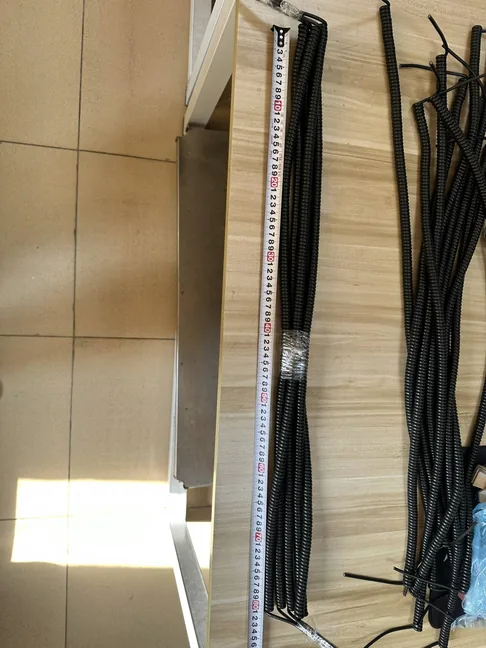
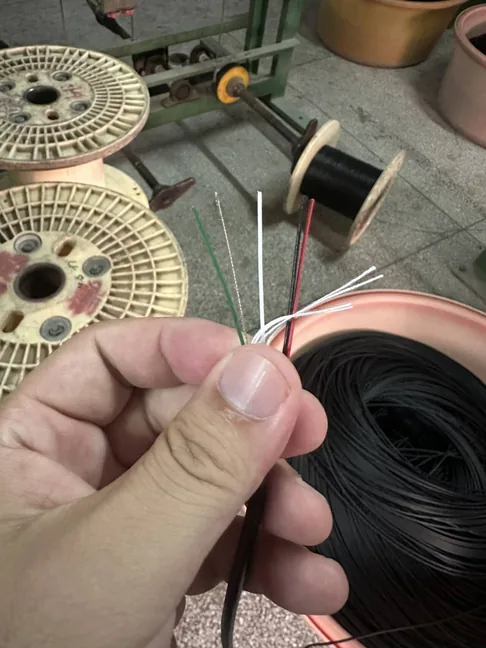
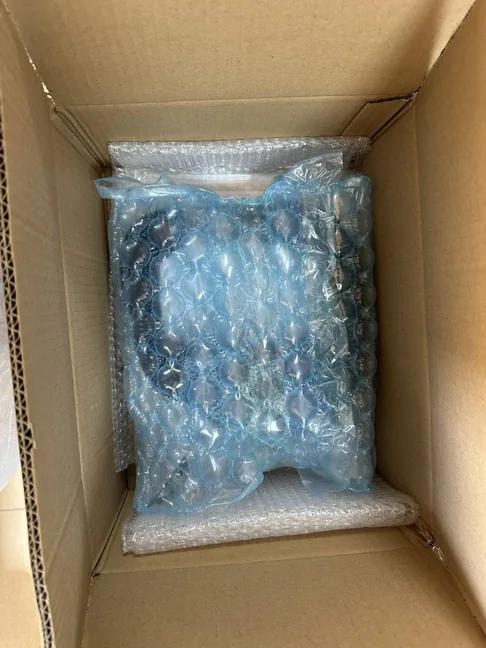
These real production photographs illustrate three checks that support a robot sensor cable review: controlled coil dimensions, identifiable conductors before termination and protected packing. Shielding, grounding and motion performance still need to be verified on the application-specific sample.
Application-Specific Sample Approval
- Check the relaxed length, working reach and routing clearance through the intended robot motion envelope.
- Confirm conductor identification, pinout, shield termination and grounding against the circuit drawing.
- Inspect connector retention, exit direction and strain relief at the moving end.
- Agree continuity and application-specific signal checks, then run the sample through the buyer-defined movement path.
- Record the sample revision and acceptance criteria before approving repeat production.
See the custom coiled cable inspection and packaging case for the full photographed workflow, or send drawings, connector photos and sample requirements for review.
Purchasing Specification for RFQ
To receive an accurate quote faster, please confirm the commercial and technical details below when sending your cable requirement.
Need the product catalog?
Download the catalog or request it with your RFQ to compare cable categories, customization options, and manufacturing capabilities.
Buyer FAQ
Can Nexharn make this product with custom length or connector?
Yes. Please send the required length, connector type, drawing, sample photo, or target specification for review.
Can you support private label packaging?
Packaging can be reviewed based on your sales channel, carton requirement, barcode label, and destination market.
What should I include in an RFQ?
Send the robot motion envelope, circuit and pinout, connector, shielding and grounding requirements, relaxed and working lengths, and estimated quantity.