Quick Answer: What Should Buyers Specify for a TPU Coiled Cable?
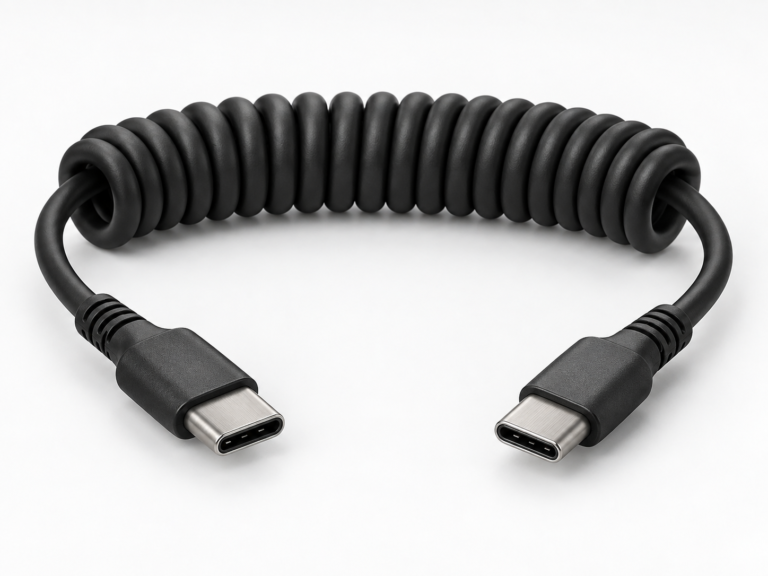
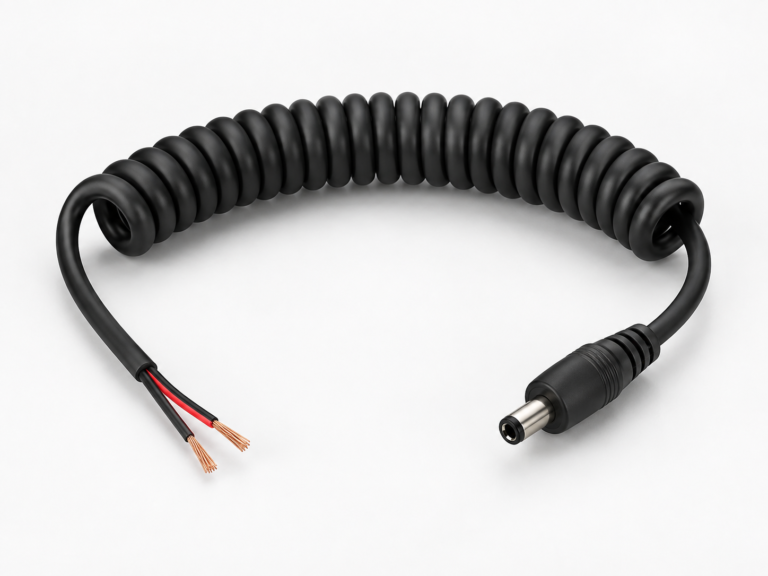
A custom TPU coiled cable, also called a TPU spiral cable, should be specified by its electrical function, relaxed length, normal working extension, straight-tail lengths, conductor count and gauge, connector models, pinout, shielding and operating environment. Buyers should also define how the cable moves, where it may rub, whether it meets liquids or cleaning agents, and how much return force the equipment can accept. Coil outside diameter, pitch, jacket construction and the conductor bundle all influence extension and rebound, so a maximum stretched length should not be treated as the normal working length. Before production, approve a finished sample for continuity, pinout, dimensions, connector fit, working reach, return behavior, appearance and packaging recovery. When a final drawing is unavailable, equipment photos, approximate dimensions, electrical requirements and estimated quantity are enough to begin a specification review.
Specify a Custom TPU Coiled Cable
TPU coiled cable and TPU spiral cable are common names for the same retractable cable form. Confirm construction and working conditions before comparing quotations.
Compare application-specific design questions for TPU coiled cable applications, from mobile inspection and outdoor controls to cold-chain equipment and field instruments.
Browse TPU Coiled Cables by Application
Use the equipment group below as a starting point. Each cable still requires project-specific confirmation of circuit function, relaxed length, working extension, connector, pinout, shielding, environment and sample checks.
For the complete decision path, compare the TPU coiled cable application selection guide. Review polyether vs polyester TPU and extension force and working reach before sample approval.
For signal and termination decisions, use the shielding and grounding checklist and the strain relief and connector overmolding checklist.
Dimensions and Rebound
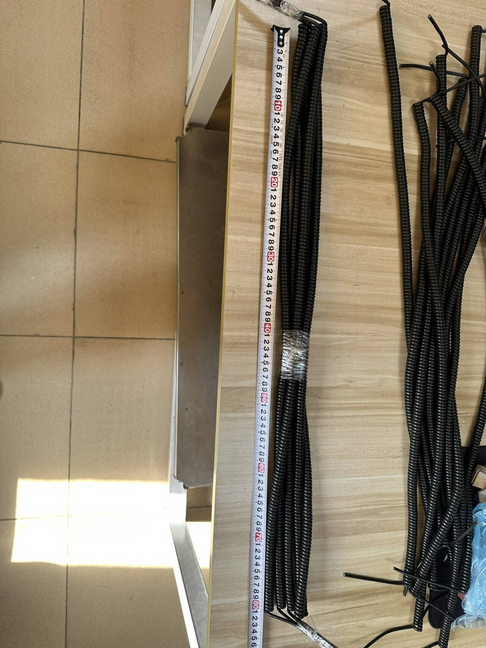
Provide relaxed length, normal working extension, temporary maximum extension, coil outside diameter, pitch and both straight tails. Review return force in the actual equipment.
Conductors and Shielding
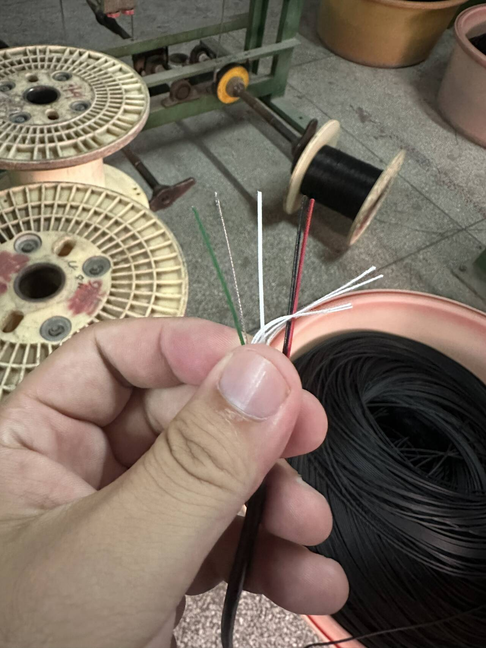
Define conductor count, gauge, power or signal function, optional twisted pairs and shielding. Explain the grounding method where shielding is required.
Connectors and Strain Relief
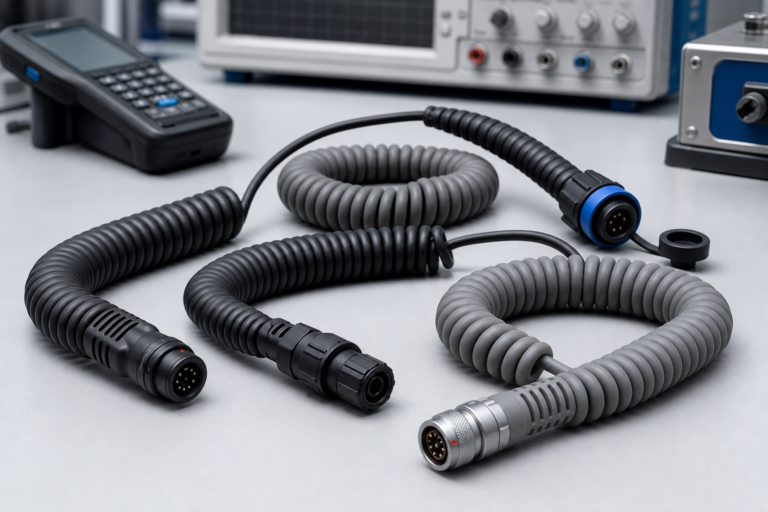
Send mating connector models, pinout, orientation, cable exit direction and any overmold or retention requirement.
Applications and Environment
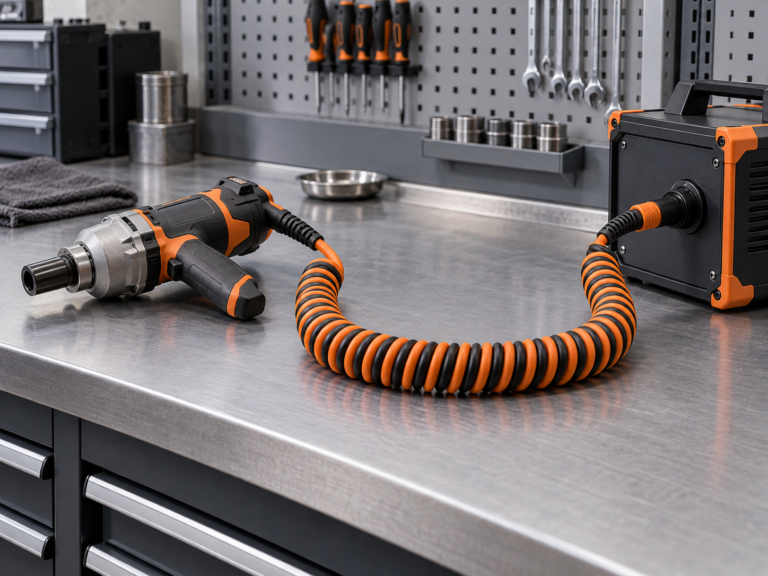
Describe the equipment, movement frequency, temperature, abrasion, liquids and cleaning exposure. Material suitability is reviewed for each project.
Testing and Sample Approval
Agree on continuity, pinout, dimensions, working extension, rebound, connector fit, appearance and packaging checks before production approval.
Customization and Packaging
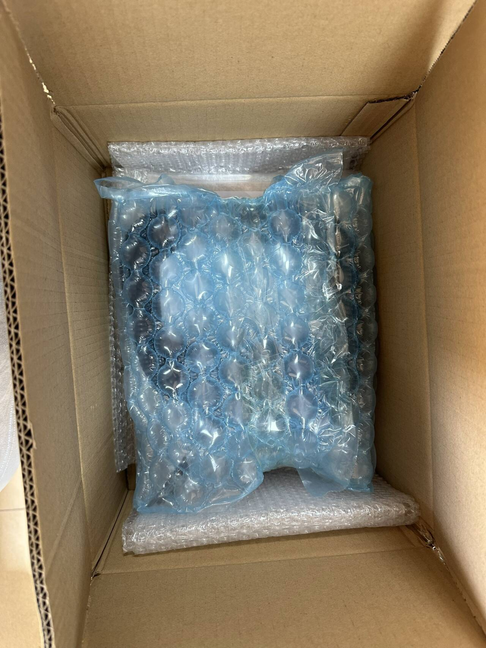
Discuss TPU grade, color, marking, connector construction, unit packaging, labels and export cartons against order quantity.
TPU Coiled Cable RFQ Specification Template
Copy these fields into your RFQ. Approximate dimensions and equipment photos are useful when the final drawing is not ready.
- Application and equipment: ______
- Electrical function and voltage/current or signal: ______
- Conductor count and wire gauge: ______
- Relaxed coil length and coil outside diameter: ______
- Normal working extension and temporary maximum extension: ______
- Straight-tail length and exit direction at both ends: ______
- Connector model, mating part and pinout: ______
- Shielding and grounding: ______
- Environment (temperature, liquids, cleaning, UV, movement): ______
- Sample acceptance and required testing: ______
- Estimated quantity, label and packaging: ______
MOQ and lead time are confirmed after reviewing the construction, connectors, quantity and packaging. Continue with the TPU buyer downloads, the testing and quality equipment review, or project review scenarios.